
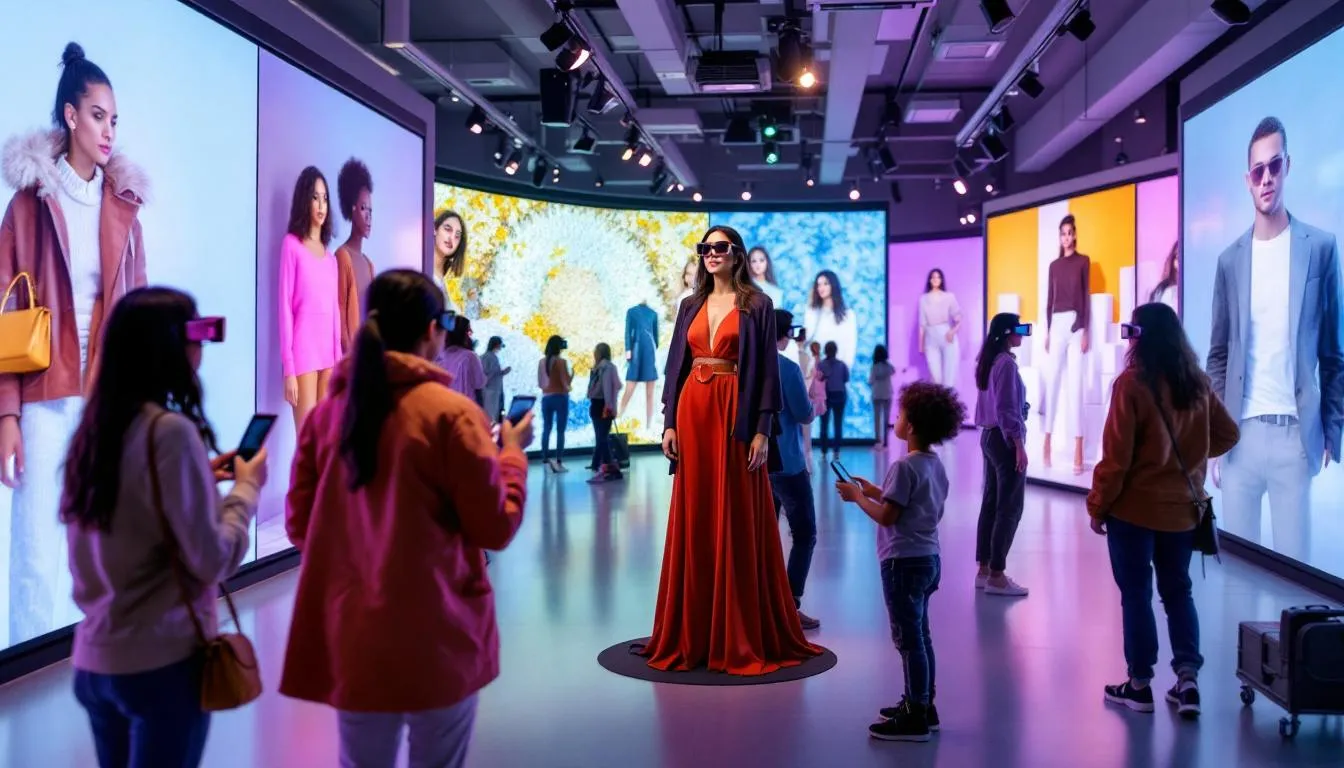
The Future of Fashion Showrooms: How Provamoda is Redefining the Experience for Consumers and Brands Through Interactive Virtual Environments
The fashion industry is in the midst of a dramatic transformation, driven by advancements in digital technology and changing consumer behavior. Traditional brick-and-mortar showrooms are increasingly being complemented, and in some cases replaced, by virtual alternatives that offer unique and interactive experiences. A leader in this arena is Provamoda, a platform pioneering the development of immersive virtual showrooms that blend cutting-edge technology with creative fashion presentation.
Understanding the Shift to Virtual Showrooms
The move towards virtual showrooms is fueled by both necessity and opportunity. The COVID-19 pandemic accelerated the digital shift, pushing brands to explore virtual methods of engaging with consumers. However, even beyond this catalyst, the fashion industry recognizes the long-term benefits of virtual showrooms, including cost savings, scalability, and the ability to reach a global audience.
Virtual showrooms offer several advantages over traditional showrooms:
- Accessibility and Convenience: Customers can explore collections anytime, anywhere, without the need to physically travel to a location.
- Cost-Efficiency: Brands can save on physical space costs, including rent and utilities, while also reducing expenses related to traveling to fashion events.
- Data-Driven Insights: Digital environments provide rich analytics, offering brands insights into consumer preferences and shopping behavior that can drive better business decisions.
How Provamoda is Redefining the Experience
Provamoda is at the forefront of this evolution, leveraging AI-powered solutions to create sophisticated virtual showroom environments that transform how fashion is experienced and consumed.
1. Immersive Consumer Experiences
Provamoda’s virtual showrooms allow shoppers to engage with products in ways that are not possible in a physical setting. These environments are not merely replicas of brick-and-mortar spaces but are designed to enhance interaction and engagement. For instance, dynamic 3D models can showcase how clothes drape and move, providing a realistic sense of fit and appeal.
2. Personalized and Interactive Shopping
One of the standout features of Provamoda's virtual showrooms is their personalization capability. Consumers can personalize their browsing experiences based on preferences, from choosing model types to seeing clothes on mannequins that match their body types. This aligns with the growing consumer demand for personalized shopping experiences.
3. Facilitating Global Reach
Virtual environments allow brands to effectively broaden their reach without the geographic limitations of physical spaces. Provamoda’s technology bridges the gap between brands and international audiences, allowing seamless access to fashion lines regardless of physical location.
4. Sustainability and Eco-friendliness
The environmental impact of fashion is a growing concern. Provamoda’s virtual showrooms reduce the need for physical samples and excessive travel, thereby contributing to a more sustainable fashion industry. This resonates well with modern consumers who are increasingly conscious of sustainability.
Benefits for Brands and Designers
For brands and designers, the innovation this brings to showcase fashion collections through virtual environments is transformative:
- Innovative Presentation: Leverage the power of animation and interactivity to present collections in a memorable way.
- Cost Reduction: Cut down on event production costs and physical inventory requirements.
- Real-Time Feedback: Gain instant consumer insights and feedback, allowing for agile response and adaptation to market demands.
The Consumer Perspective
From a consumer standpoint, virtual showrooms crafted by Provamoda offer not only convenience but an immersive and enjoyable way of discovering fashion. With lifelike representations and interactive elements, consumers get to experience fashion with a degree of detail that is often lost in traditional online shopping.
Moreover, it allows consumers to engage with brands on a more personal level. Features such as virtual try-ons and augmented reality fitting rooms mean consumers can see how clothes look and fit before deciding to make a purchase, reducing return rates significantly.
The Road Ahead
The future of fashion lies in integrating technology with consumer experiences, and Provamoda is well-poised to lead this revolution. As fashion brands continue to adopt Provamoda’s virtual showroom capabilities, we can anticipate a transformation in how consumers engage with fashion, blurring the lines between digital and physical shopping.
In an industry that is ever-evolving, those who embrace these innovations will not only survive but thrive. For both brands looking to modernize their outreach and consumers eager for a more interactive and customized shopping experience, exploring the solutions offered by Provamoda could be a defining aspect of future success.
In conclusion, the evolution of fashion showrooms into the virtual space is a significant leap forward, driven by necessity, technology, and creativity. Through platforms like Provamoda, the fashion industry is not only meeting the challenges of the present but also paving the way for an innovative future.
