
Introduction
The fashion industry has long been criticized for exclusivity, often neglecting diverse needs and body types in its products and marketing strategies. In the digital age, where e-commerce is overtaking traditional retail formats, there emerges an imperative to make online shopping more inclusive and responsive to the needs of all consumers, including those with disabilities. This is where virtual photography platforms like Provamoda come into play, revolutionizing how fashion brands create accessible online experiences.
Understanding the Barriers
For disabled consumers, shopping for clothing can be a daunting experience. Traditional models and photography often fail to represent the diversity of body shapes, leading to consumers having to imagine how products might look and fit. Furthermore, online stores might overlook adaptive fashion—garments designed for ease of wear by individuals with physical disabilities—by either not showcasing them effectively or not offering diverse models. This lack of representation can not only diminish a brand’s appeal but also alienate a significant portion of their potential customer base.
The Power of Inclusive Imagery
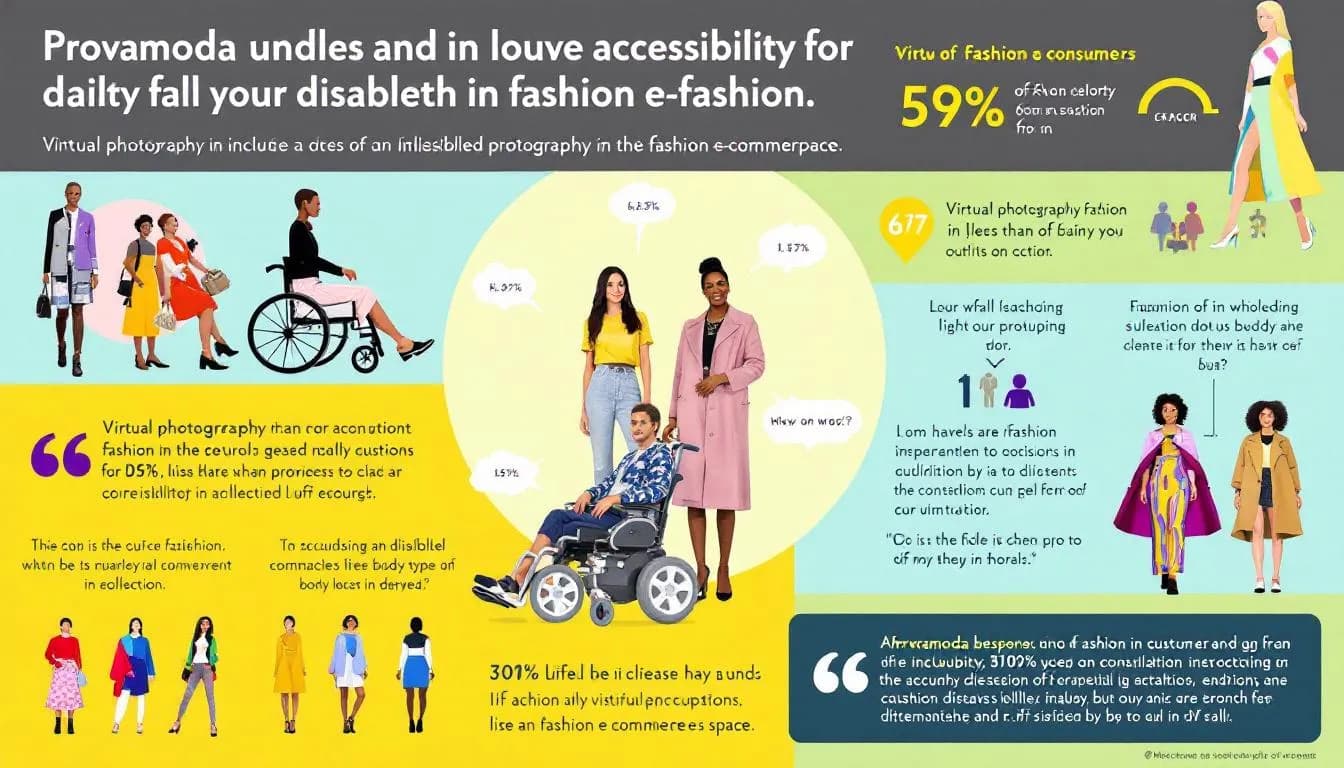
Representation matters. Seeing oneself reflected in a brand’s marketing can be empowering and makes a brand more relatable. Virtual photography, facilitated by platforms like Provamoda, allows brands to include a more diverse range of models in their marketing materials without the substantial cost of traditional photoshoots. Clothing items can be showcased on models of various body types, including those who use wheelchairs or have other physical disabilities.
Customization & Personalization
Provamoda's technology enables brands to customize not only the models but also the settings in which their clothing is presented. This means showcasing adaptive fashion in real-world scenarios that consider accessibility, such as ramps, inclusive parks, or interiors designed with universal accessibility in mind. The ability to optimize these visual narratives helps build a connection with disabled consumers, who can see how the fashion items fit into their lifestyle.
Accessibility Features in E-Commerce
Using Provamoda’s virtual photography can also improve overall website accessibility. High-quality visuals are critical for low-vision users relying on screen magnifiers. Combined with descriptive alt-text, clear and zoomable images enhance the browsing experience, making it more inclusive.
Additionally, having virtual photoshoots means faster updates to a site’s offerings, ensuring that adaptive and inclusive fashion lines are up-to-date and visible to those searching for solutions tailored to their needs.
Enhancing the Try-On Experience
Virtual photography also dovetails with augmented reality (AR) to offer virtual try-ons, which is crucial for disability inclusivity. Trying clothing virtually can save disabled consumers much of the stress and physical effort associated with fitting rooms or returning clothes that don’t quite fit.
Provamoda Making a Difference
By partnering with brands, Provamoda can ensure that these fashion businesses not only appeal to a broader audience but also offer real value to disabled consumers. This includes:
- Model Diversity: Allowing brands to feature models of different abilities without logistical or cost constraints.
- Rapid Prototype Turnover: Virtual photography supports quick updates, helping brands swiftly release and market new adaptive clothing options.
- Scenario Variety: Giving insight into how adaptive fashion functions in real-world settings relevant to the everyday lives of users.
Embracing Broader Representation
Inclusive fashion isn’t just about creating clothing that meets specific needs; it’s about understanding and representing all aspects of a consumer’s life. This includes using high-quality, diverse imagery in campaigns that recognize the full scope of the disabled community's interactions with the fashion world. Provamoda allows for this nuanced representation effectively and affordably.
Future Directions
As e-commerce continues to evolve, the potential for virtual photography and platforms like Provamoda in enhancing accessibility is limitless. Augmented reality, AI-driven personalization in virtual showrooms, and real-time consumer feedback loops will shape the future of inclusive and adaptive fashion, making it better, bolder, and more representative.
Conclusion
By emphasizing the importance of accessibility and inclusion within the digital realm of fashion retail, Provamoda is at the forefront of driving significant change. Brands collaborating with Provamoda have a powerful tool at their disposal to bring every facet of the human condition into their marketing strategy. This isn’t just savvy business—it’s moral and cultural leadership in redefining fashion boundaries.
Through virtual photography, the fashion industry can—step by step—become a more inclusive space for everyone, no matter their body type, ability, or lifestyle.
