
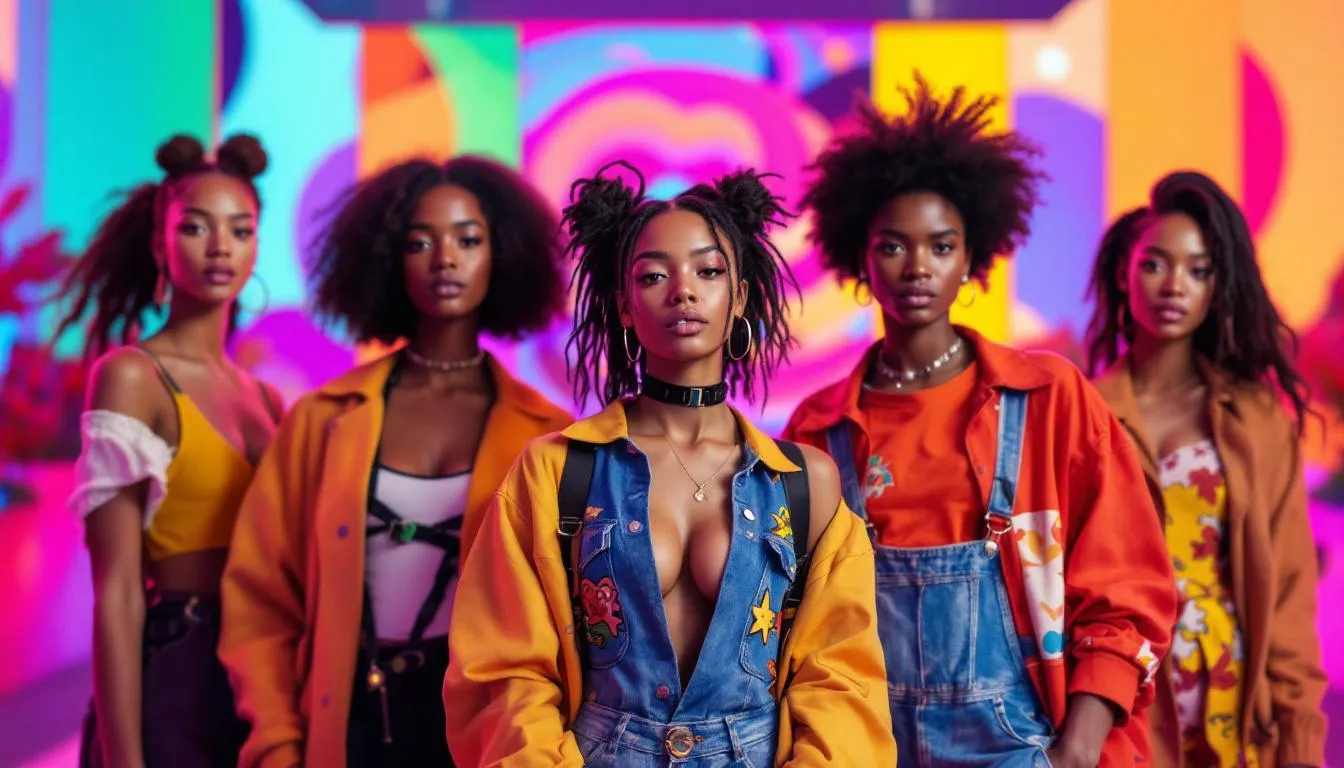
In recent years, the fashion industry has been undergoing a significant transformation, moving towards a more inclusive representation of gender. This shift is not just about trends; it’s about acknowledging diverse identities and expressions. In a digital world where the online experience is rapidly becoming the primary mode of shopping, utilizing advanced technology such as virtual photography is crucial in supporting this journey. Companies like Provamoda are at the forefront, using AI-driven virtual photography to enhance inclusivity and reflect a spectrum of gender expressions in e-commerce.
The Push for Gender Inclusivity in Fashion
For a long time, fashion adhered to strict gender norms, categorizing clothing into binary terms of 'men's' and 'women's' wear. However, the contemporary fashion landscape is now embracing gender fluidity, a reflection of broader societal changes and a growing understanding of gender as a spectrum rather than a binary choice. This shift manifests in fashion through unisex clothing lines, gender-neutral collections, and diverse fashion campaigns that celebrate individuality regardless of gender identity. Brands that align themselves with these values are not only more relatable to wider audiences but also demonstrate social responsibility.
The Limitations of Traditional Photography
Traditional fashion photography, while effective in the past, often doesn’t account for the nuances required to capture and showcase gender fluidity. The constraints of traditional photoshoots—determined by budget, time, and available talent—can limit the diversity of models depicted in fashion campaigns. As fashion markets grow increasingly saturated, brands must diversify and innovate to capture the attention of a conscientious consumer base that values inclusivity and representation.
Virtual Photography: A Gateway to Representation
Enter virtual photography—a transformative approach enabled by advances in artificial intelligence. The use of virtual photoshoots allows brands to present a wider range of gender expressions without the typical constraints of physical photography. Virtual platforms like Provamoda revolutionize fashion shoots by providing customizable models and settings, allowing brands to create visuals that align more closely with their inclusive values.
How Provamoda Supports Gender Inclusivity
-
Diverse Model Customization: Provamoda’s platform offers extensive customization options. Brands can choose models that represent a broad spectrum of gender identities and expressions. This flexibility ensures fashion images better reflect the diversity of their audience.
-
Cost-Effective Inclusivity: By reducing the costs associated with hiring multiple models and arranging logistics for a photoshoot, Provamoda enables brands—particularly smaller or independent labels—to afford greater inclusivity in their visual campaigns.
-
Quick Adaptation to Trends: As trends around gender inclusivity and diversity evolve, brands using Provamoda can quickly adapt their visual assets to meet these changes without the delays associated with scheduling traditional shoots.
-
Enhancing Brand Authenticity: Authentic representation can significantly impact a brand’s perception. By using diverse visuals that truthfully reflect current gender narratives, brands can foster stronger connections with their customer base.
Embracing Technology for Positive Change
Leveraging AI-driven solutions like Provamoda’s virtual photography tools isn’t just about keeping up with trends. It’s a strategic decision that aligns with broader societal movements towards inclusivity. By integrating this technology, brands can engage more deeply with audiences that prize representation and diversity.
The Bigger Picture: Social Responsibility
Incorporating gender inclusivity is more than a digital marketing strategy; it reflects a brand’s core values. Fashion retailers can no longer ignore the importance of diversity, both in their workforce and their offerings. The movement towards gender inclusivity in fashion is a reflection of increased awareness and acceptance of diverse identities globally.
Brands that leverage technology to embrace this shift are doing more than enhancing their marketability—they are playing a vital role in shaping a more inclusive society.
Conclusion
As the digital fashion arena continues to evolve, the role of virtual photography, especially platforms like Provamoda, will become increasingly significant in supporting gender inclusivity. Brands that choose to adopt these technologies are not simply trend followers; they are leaders in fostering an industry that embraces diversity and representation. By using innovative solutions to reflect a wide range of gender expressions, fashion can truly become reflective of the rich diversity of its audience.
The future of fashion is inclusive, and with tools like Provamoda, brands have the means to make this vision a reality. As more consumers demand equity and representation in the products they purchase, the industry must respond with innovation, authenticity, and integrity.
