Introduction to Fashion Product Photography
In the competitive world of fashion, capturing the perfect image of a hoodie can significantly boost sales and engagement. Hoodies are versatile, timeless, and appeal to various demographics, but translating their comfort and style through a lens requires a strategic approach to fashion product photography. This guide will walk you through the essentials of taking impactful images that sell.
What is Fashion Product Photography?
Fashion product photography showcases clothing and accessories in a way that highlights their design, texture, and details. It often features clean, well-lit images with a focus on the product, using simple backgrounds to emphasize the items. This style aims to appeal to consumers by capturing the essence of the fashion piece, making it desirable and aspirational.
How to photograph Hoodies in this style
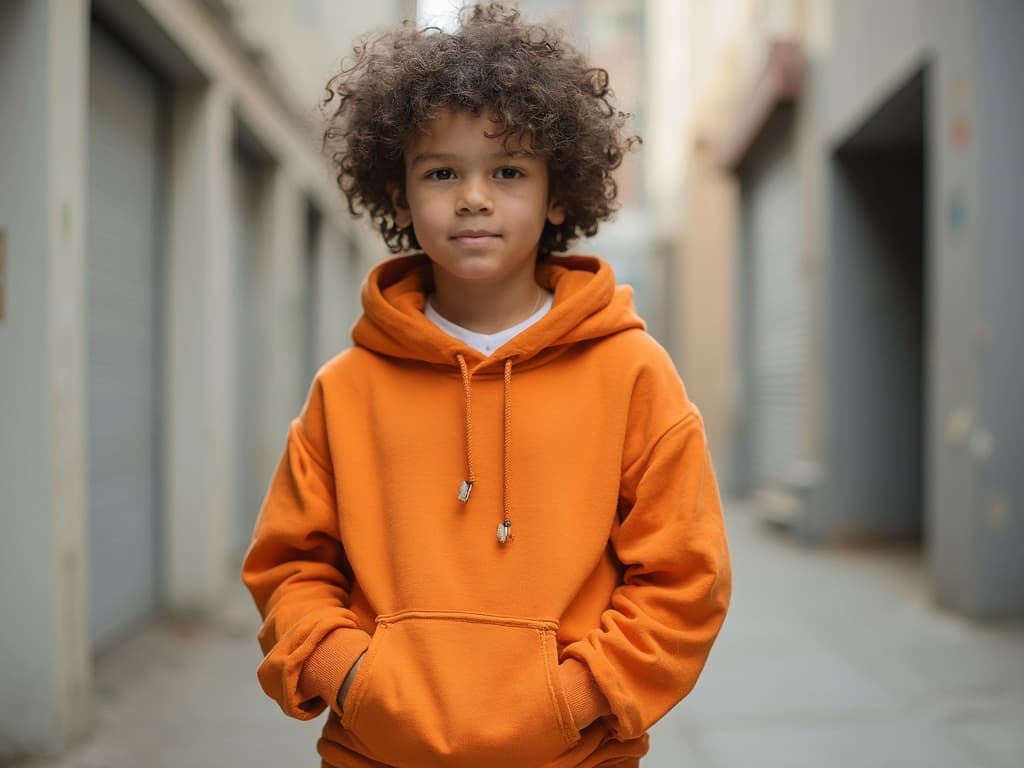
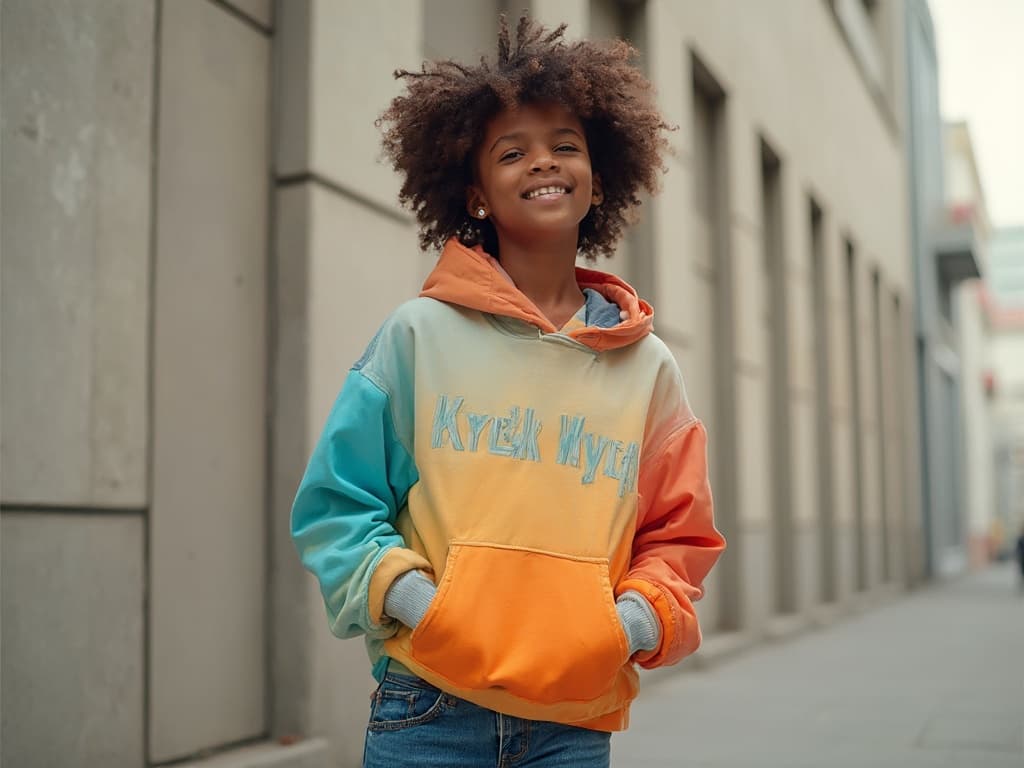
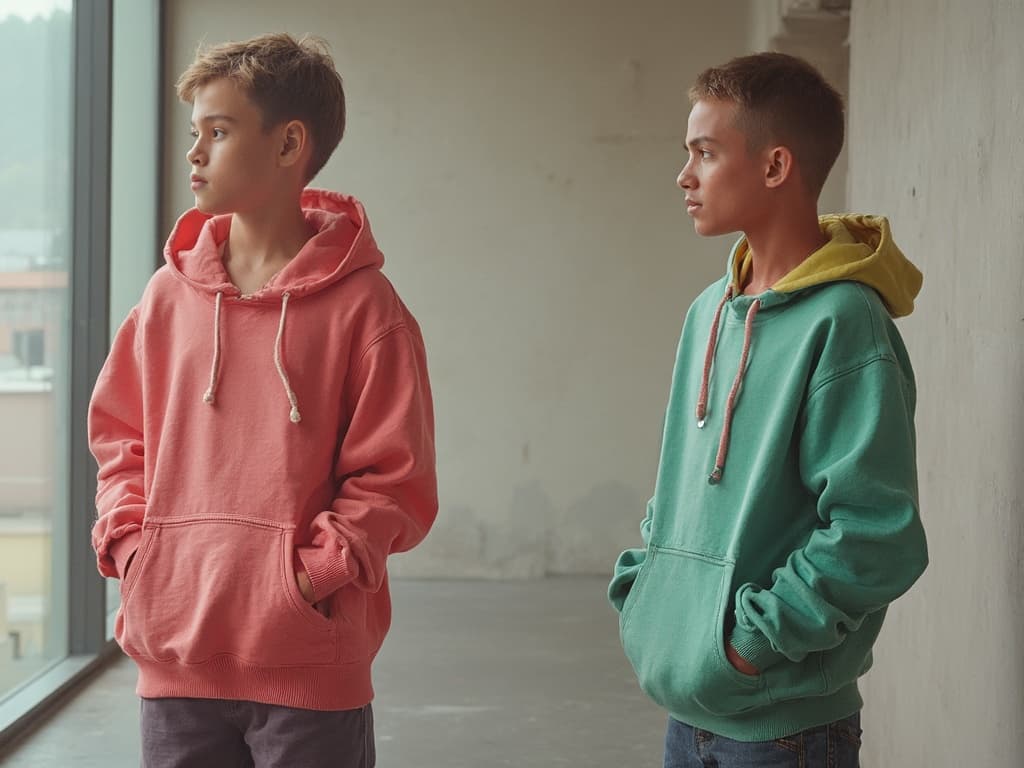
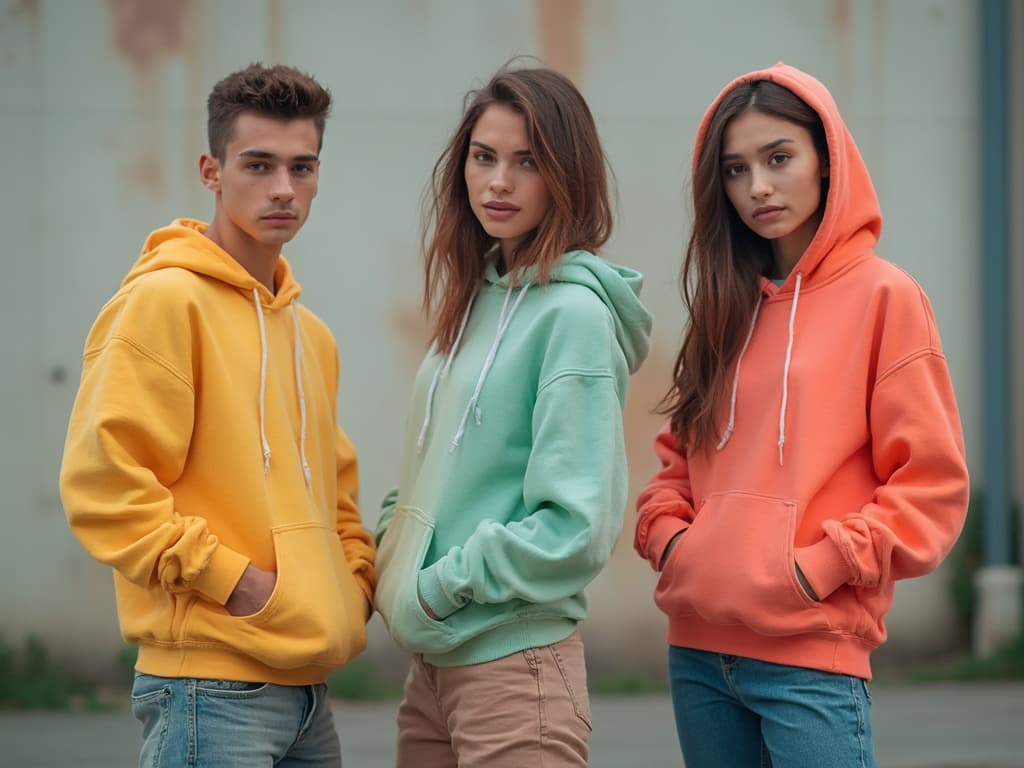
When styling hoodies for photography, it's important to highlight their unique features such as design, color, and texture. Use mannequins or live models and vary your poses; for instance, photograph the hoodie with the hood up and down, as well as front, side, and back shots. Pair with complementary items such as jeans, sneakers, or a casual cap to give buyers a vision of a complete outfit. Opt for neutral backgrounds to ensure the hoodie is the main focus, and play with lighting to emphasize the fabric's texture and any unique design elements.
Common mistakes to avoid
A common mistake in hoodie photography is not paying attention to details like wrinkles or stray threads, which can distract the viewer. Avoid overly busy backgrounds or props that might overshadow the hoodie. Another error is failing to show all angles or features, such as pockets or lining, which could affect purchasing decisions. Ensure the hoodie appears well-fitted on the model or mannequin to avoid an unappealing silhouette.
Gear recommendations
For stunning hoodie photographs, invest in a good DSLR camera and a versatile lens, such as a 50mm f/1.8, to capture crisp, detailed images. Lighting is crucial; consider using softbox lights for even exposure and a reflector to eliminate harsh shadows. A sturdy tripod will help prevent any camera shake. Additionally, photo editing software like Adobe Lightroom can be invaluable for adjusting colors and removing imperfections.